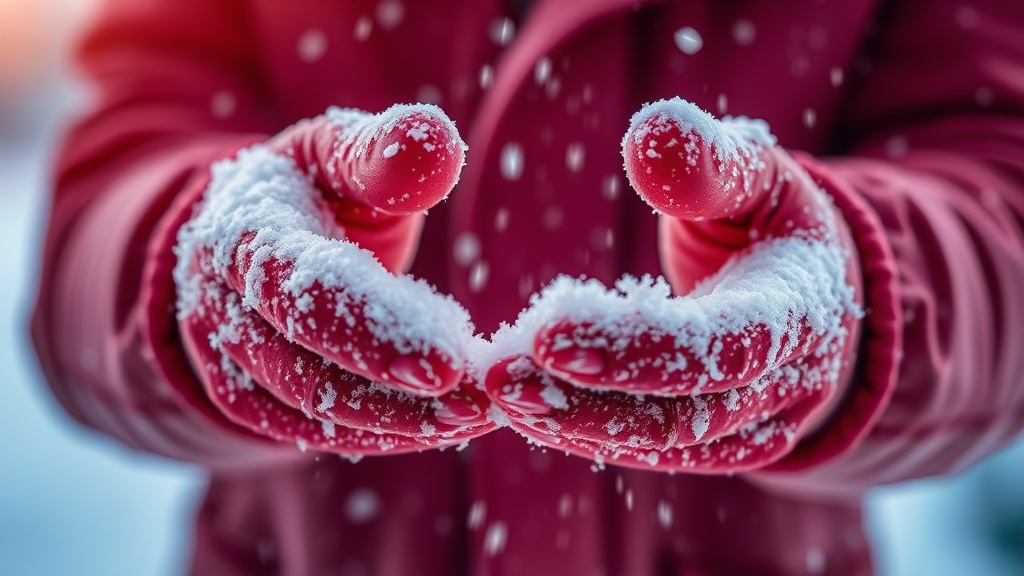
Warm Up Your Hands for Sub-Zero Conditions

Dynamic Joint Rotations
Isolated Finger Dexterity Drills
High-Intensity Metabolic Bursts
Most climbers assume that wearing thicker gloves is the best way to stay warm while ice climbing. That's a mistake. If you rely solely on bulk, you'll lose the dexterity needed to manipulate your tools and end up with numb, useless hands halfway up the pitch. Keeping your hands warm requires a strategic approach to layering, blood flow, and moisture management—not just more down fill. This post breaks down how to manage temperature and circulation so you can keep your grip even when the thermometer hits sub-zero temperatures.
How Do You Prevent Numb Fingers While Ice Climbing?
Preventing numbness starts with maintaining blood flow to the extremities and preventing moisture from sitting against your skin. When your fingers go cold, it's often because your circulation has slowed down or your sweat is chilling your skin. You can't just "tough it out"—that's how frostbite starts. Instead, focus on a combination of active movement and high-quality layering.
First, understand that sweat is your enemy. If you work too hard and sweat inside your gloves, that moisture will freeze the moment you stop moving. This is why many top-tier climbers use a layering system similar to what you'd see in high-altitude mountaineering. You want to be able to shed layers during a pumpy section and add them back the second you're on a belay.
The first layer should always be a thin, moisture-wicking liner. A merino wool liner—something like the Smartwool Classic series—is a great choice. Merino stays warm even if it gets a little damp, and it doesn't hold onto odors as badly as synthetics. This layer sits directly against your skin to move sweat away from your hands.
Next, you need a mid-layer that provides insulation without sacrificing the ability to hold an ice tool. This is where things get tricky. If your gloves are too thick, you won't be able to feel the tool's vibration or adjust your grip. Many climbers use a dedicated climbing glove that offers a balance of warmth and tactile feedback. The Black Diamond Mont Blanc gloves are a solid example of a tool designed for this specific type of work.
The final layer is your shell. This is your defense against wind and snow. A waterproof, breathable shell keeps the elements out. If you're climbing in heavy wind, a shell is non-negotiable. It keeps the heat you've generated trapped inside the system.
The Layering Hierarchy for Extreme Cold
- Base Layer: Thin merino wool or lightweight synthetic (e.g., Icebreaker).
- Mid-Layer: Insulated glove for active climbing (e.g., Outdoor Research).
- Outer Shell: Gore-Tex or similar waterproof/windproof layer for high winds or heavy snow.
It's worth noting that your dexterity depends heavily on your hand strength. If your hands are already fatigued, they'll feel colder faster. If you want to ensure your hands are ready for the technical demands of the tool, check out how to build grip endurance during your training cycles.
What Are the Best Gloves for Ice Climbing?
The best gloves for ice climbing are those that allow for high-level dexterity while providing significant wind protection. There isn't a single "perfect" glove because the right choice depends on the specific temperature and the intensity of your climbing. You'll usually find yourself choosing between three distinct types of handwear.
| Type of Glove | Best Use Case | Pros | Cons |
|---|---|---|---|
| Liner Gloves | High-intensity technical moves | Maximum dexterity | Low warmth |
| Technical Climbing Gloves | Standard ice climbing sessions | Balance of warmth/grip | Can get damp |
| Heavy Mittens/Gloves | Belaying or extreme cold | Maximum heat retention | Zero dexterity |
When you're actively swinging tools, you need a glove that won't slip. A common mistake is wearing a glove that is too bulky, which leads to "clumsy hand" syndrome. This can actually lead to more fatigue and a higher risk of dropping a tool. If you're moving through a technical crux, a thinner, more precise glove is often better than a heavy, puffy one. You can always add a layer of heat once you're off the tool.
For the belay, you need something completely different. I never leave the crag without a pair of heavy-duty mitts. The The North Face Summit Series-style down mitts are perfect for this. You should switch to these the moment you finish your pitch. Sitting in the wind while waiting for your partner can strip heat from your body faster than the climbing itself.
Don't forget about your dexterity. If you're constantly fighting with your gear—fiddling with carabiners or adjusting your harness—you're losing heat. A high-quality, waterproof shell is a good idea to prevent snow from melting on your gloves and making them heavy. You can find more technical specifications on gear durability through the Gore-Tex technical documentation.
How Can You Warm Up Your Hands Fast?
To warm up your hands quickly, you need to stimulate blood flow through movement and external heat. If you've reached the point where your fingers feel numb or "wooden," you need to take immediate action. You can't just wait for it to pass—you need to intervene.
The first thing you should do is get your hands moving. Shake them out, wiggle your fingers, and perform some light isometric exercises. This helps force blood back into the capillaries. If you're on a belay, this is the time to use your hands to stay active. Don't just sit on your hands; keep them moving.
The second method is using a heat source. If you have a hand warmer—like a HotHands packet—use it. But be careful. Don't put a hot object directly against bare skin that is already numb. You might not feel it if you're burning yourself. Use it as a way to slowly raise the temperature of your base layer.
The third method is the "arm swing." Raise your arms above your head and swing them in circles. This uses centrifugal force to drive blood down into your fingertips. It's a classic trick for a reason—it works. It's a bit ridiculous-looking, but it's much better than losing feeling in your hands mid-route.
If you're experiencing persistent numbness, it might be a sign of something more serious. If your hands aren't warming up after you've taken these steps, you might be dealing with the early stages of frostnip. If this happens frequently, you might need to re-evaluate your entire clothing system. It's also a good idea to ensure you're maintaining your tendon health, as cold can exacerbate grip issues. Check out my guide on how to protect your tendons to keep your hands functioning at their best.
One thing to keep in mind: never use hot water to warm up cold hands. The temperature change is too extreme and can cause skin damage or even thermal shock. Stick to gradual warming. Whether it's through movement, a warm drink, or a heated car ride, the key is a steady climb back to a normal temperature.
Check your gear before you head out. If your gloves have holes or your shell is leaking, it won't matter how much you move—you're going to get cold. A quick inspection of your equipment can save a miserable day on the ice. Make sure your layers are dry and your gloves are fit for the temperature. If you're unsure about the weather, check the National Weather Service for the most accurate local forecasts before you commit to a long approach.