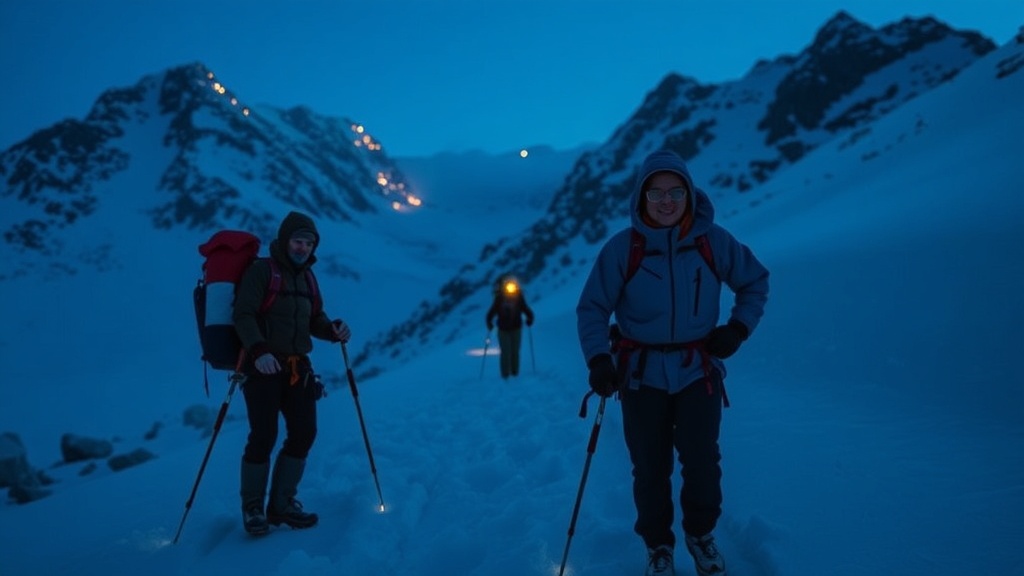
Fueling the Freeze: Managing Glycogen Levels During Long Alpine Approaches

This guide covers the mechanics of glycogen management, specific fueling strategies for high-altitude approaches, and how to prevent the "bonk" during long alpine-style ice climbing days. You'll learn how to time your carbohydrate intake, what types of nutrients actually reach your muscles in sub-zero temperatures, and how to adjust your diet based on the intensity of your approach.
Ice climbing isn't just about technical tool placement; it's a massive metabolic undertaking. When you're trekking up a steep, snowy couloir or a long approach through a frozen valley, your body relies heavily on glycogen—the stored form of glucose in your muscles and liver. If those stores run dry, your coordination drops, your grip strength fails, and your core temperature can plummet. It's a dangerous way to hit a wall.
How Much Carbohydrate Do I Need During an Alpine Approach?
You should aim for 30 to 60 grams of carbohydrates per hour to maintain steady energy levels during prolonged physical exertion. This rate varies depending on whether you're a slow, steady hiker or a high-intensity scrambler. For most ice climbers, the goal isn't to eat a massive meal mid-climb, but to provide a constant drip of fuel to the bloodstream.
Think of your body like a furnace. If you throw in one giant log, you might get a big flame, but then you'll face a cold snap. Small, frequent hits of glucose keep the fire burning. This is especially true when you're wearing heavy layers like a Patagonia Down Sweater—you can't easily unzip to eat, and your dexterity is already compromised by gloves.
The type of carbohydrate matters deeply. Simple sugars provide immediate energy, while complex carbs provide sustained release. During a long approach, you need a mix. If you rely solely on high-glycemic snacks like gummy bears, you might experience a rapid spike followed by a devastating crash. You want a steady state.
The Glycogen Depletion Hierarchy
Not all energy is created equal. As you move through an alpine day, your body shifts its reliance between different fuel sources:
- Immediate Glucose: The sugar currently in your blood from a recent snack.
- Muscle Glycogen: The primary fuel for high-intensity bursts (like kicking hard through a step-up).
- Liver Glycogen: Keeps your blood sugar stable so your brain stays functional.
- Fat Oxidation: The slow-burn fuel used during low-intensity movement.
When you hit the "wall," you've likely exhausted your muscle glycogen and are struggling to mobilize fat fast enough to keep up with the demand. This is where the technical errors start happening. You'll miss a tool placement or lose your footing because your brain is literally running low on fuel.
What Are the Best Foods for Cold-Weather Endurance?
The best foods for cold-weather endurance are those that are easy to digest, calorie-dense, and can be eaten with minimal dexterity. In sub-zero environments, your body spends a huge amount of energy just staying warm (thermogenesis), which means your caloric requirements are much higher than a standard day hike. You need foods that don't freeze into a brick in your pocket.
Avoid anything that requires a lot of chewing or heavy processing if you're moving fast. You don't want to be standing in a narrow chimney trying to chew a thick protein bar while your heart rate is spiking. It's inefficient and potentially dangerous if you're in a precarious position.
| Food Type | Examples | Best Use Case |
|---|---|---|
| Quick Carbs | Dried fruit, gels, honey | During high-intensity vertical sections |
| Slow Carbs | Oatmeal, dense bread, granola | During the long, steady approach |
| Fats/Proteins | Nut butters, cheese, jerky | Long-term satiety and recovery |
I personally swear by nut butter packets or even just a bit of honey squeezed from a packet. It's easy to manage with gloves on—or even through a thin liner. If you're using a technical shell, you'll want something you can access quickly without stripping down and losing heat. This is a major part of warming up your hands and maintaining core temperature; if you're too cold to eat, you're in trouble.
How Do I Prevent a "Bonk" on Long Ice Routes?
Preventing a "bonk"—the sudden, total loss of energy—requires a proactive, rather than reactive, approach to eating. You must start fueling before you feel hungry. By the time your stomach is growling, your glycogen levels are already in the red. The key is to eat small amounts every 45 to 60 minutes, regardless of how you feel.
A common mistake is waiting until you reach the base of the ice to eat a large meal. If you do that, you've already spent your energy reserves on the approach. You'll arrive at the route "empty," and your first pitch will feel twice as hard as it should. Instead, treat your approach as a moving breakfast. If you're climbing a long route in the Cascades or the Rockies, your body is working overtime. Don't ignore it.
It's also worth noting that hydration plays a massive role in nutrient transport. If you're dehydrated, your blood volume drops, making it harder for your body to deliver glucose to your working muscles. Use an insulated bottle or a thermos to keep your water or electrolyte mix from turning into an ice cube. Glycogen storage is also highly dependent on water—for every gram of glycogen stored, your body holds onto about three grams of water. If you aren't drinking, you aren't fueling.
"The moment you feel the urge to stop and rest because you're 'tired,' you've likely already missed your window for optimal fueling. Eat through the fatigue."
If you find that your grip is failing or your movements feel heavy, check your mental state. Is it a lack of strength, or is it a lack of fuel? If you've been climbing hard and your core feels shaky, it might be time for a more substantial hit of carbohydrates. This relates to the stability of your entire system—if your energy is low, your ability to stabilize your climb through core engagement will vanish.
One thing to watch out for is the temptation to rely solely on caffeine. While a bit of caffeine can mask fatigue, it can also increase your heart rate and potentially lead to jitters or a higher caloric burn through increased thermogenesis. Use it as a tool, not a primary fuel source. It's a supplement to your food, not a replacement for it.
Lastly, don't forget the post-climb. The recovery process starts the moment you finish the descent. To replenish those glycogen stores for the next day, you need a mix of carbohydrates and protein. If you're camping or bivying, a warm, carb-heavy meal is your best friend. It's not just about the climb; it's about ensuring you can do it again tomorrow.