How to Train for Ice Climbing Without Ice: Real-World Strength, Endurance, and Grip Systems That Actually Work

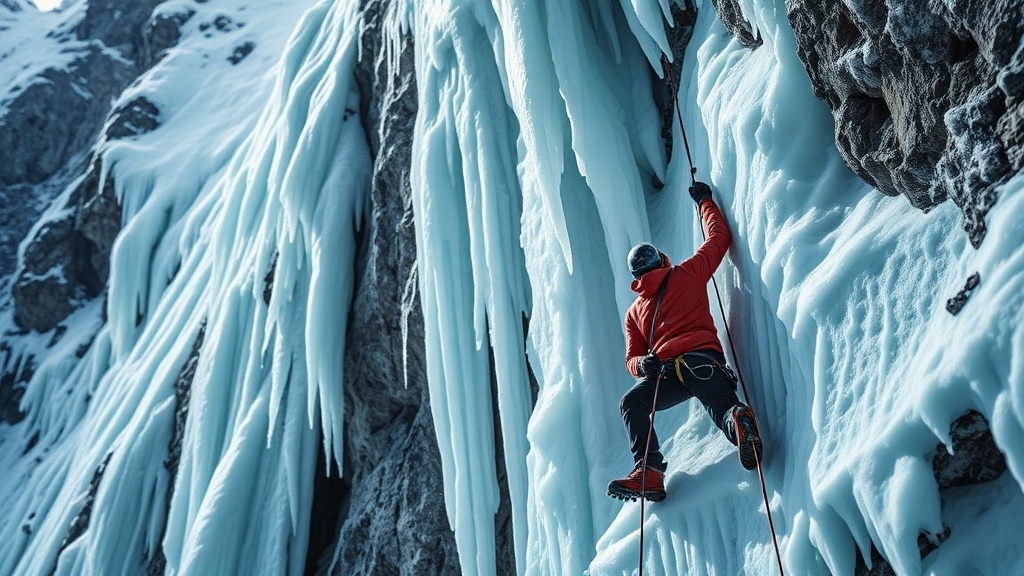
You don’t need frozen waterfalls outside your door to get strong for ice climbing. Most climbers spend the majority of their year nowhere near real ice—and the ones who improve fastest are the ones who treat that as an advantage, not a limitation.
This is where things get honest. Ice climbing strength isn’t built on generic gym routines. It’s specific, awkward, and brutally unforgiving if you train the wrong way. If your forearms blow up halfway through a pitch or your calves scream on vertical ice, your training is missing something.
The Core Demands of Ice Climbing (That Most People Ignore)
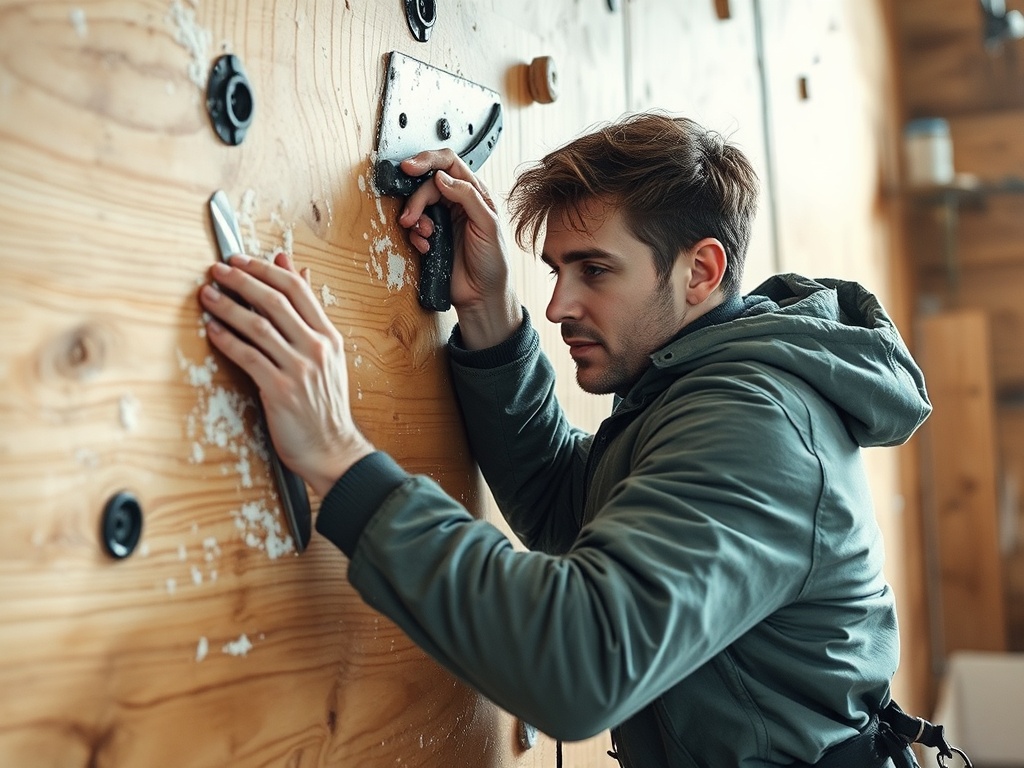
Ice climbing looks like upper-body pulling, but that’s only half the story. The real game is managing tension through your entire body while staying efficient.
- Grip endurance: Not just strength, but the ability to hang on tools for long periods.
- Calf endurance: Front-pointing burns beginners out fast.
- Core tension: Keeps you from swinging off the wall.
- Shoulder stability: Prevents injury under awkward loading.
- Mental pacing: The ability to stay calm while pumped.
If your training doesn’t hit all five, it’s incomplete.
Dry Tooling: The Closest Thing to Real Ice
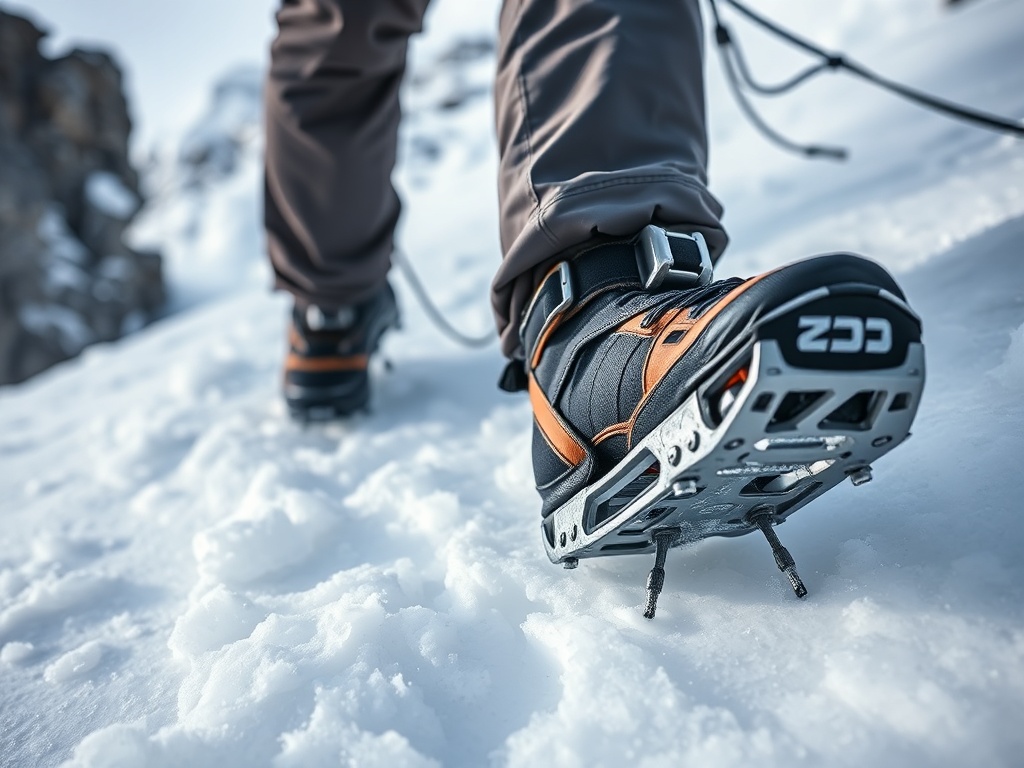
If you have access to a dry tooling cave or wall, use it. It’s the single best way to replicate movement patterns.
But don’t just flail around. Structure matters:
Session Structure
- Warm-up: easy traverses (10–15 minutes)
- Skill work: precise placements, quiet feet
- Power intervals: short, hard routes
- Endurance laps: longer circuits with minimal rest
The biggest mistake here is treating dry tooling like bouldering. Ice climbing rewards efficiency, not explosive bursts.
Grip Training That Transfers (and What Doesn’t)
Standard hangboard routines only go so far. Ice tools change the angle, wrist position, and muscle engagement.
Instead, focus on:
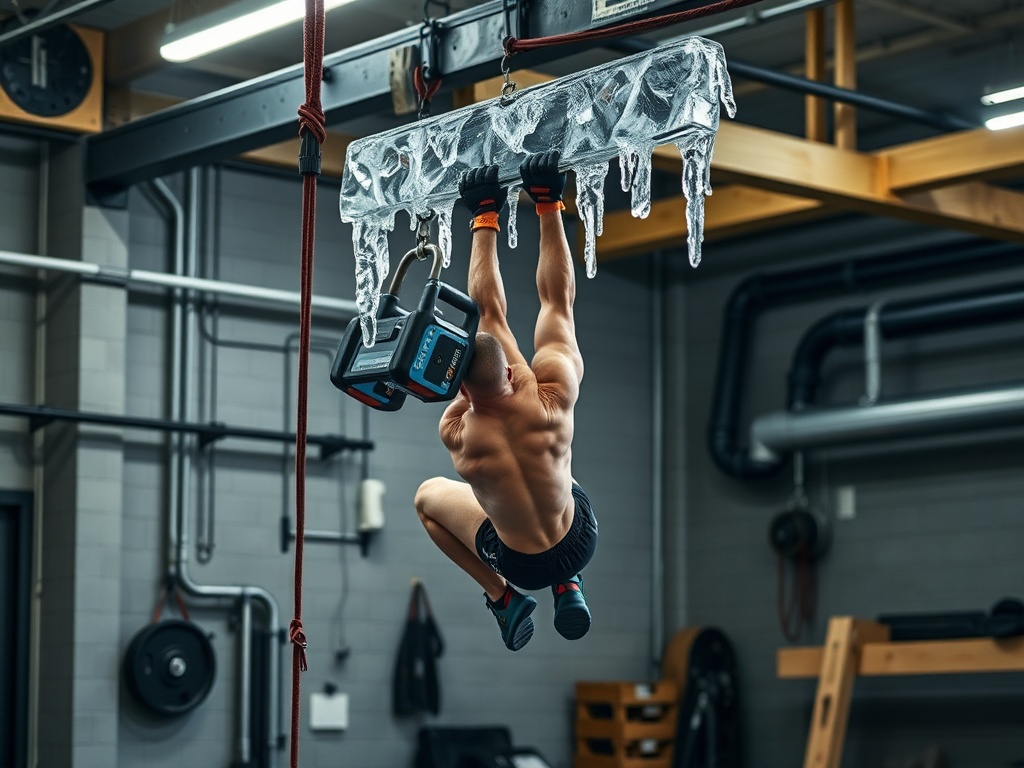
- Tool hangs: Hang from actual ice tools or tool-specific holds
- Offset grips: One hand high, one low
- Timed hangs: 20–60 seconds builds real endurance
- Pump management: Practice shaking out mid-hang
Avoid over-prioritizing max strength. Most ice routes fail climbers because of endurance, not peak power.
Legs and Calves: The Silent Limiter
If your calves give out, your arms follow. It’s that simple.
Train them directly:
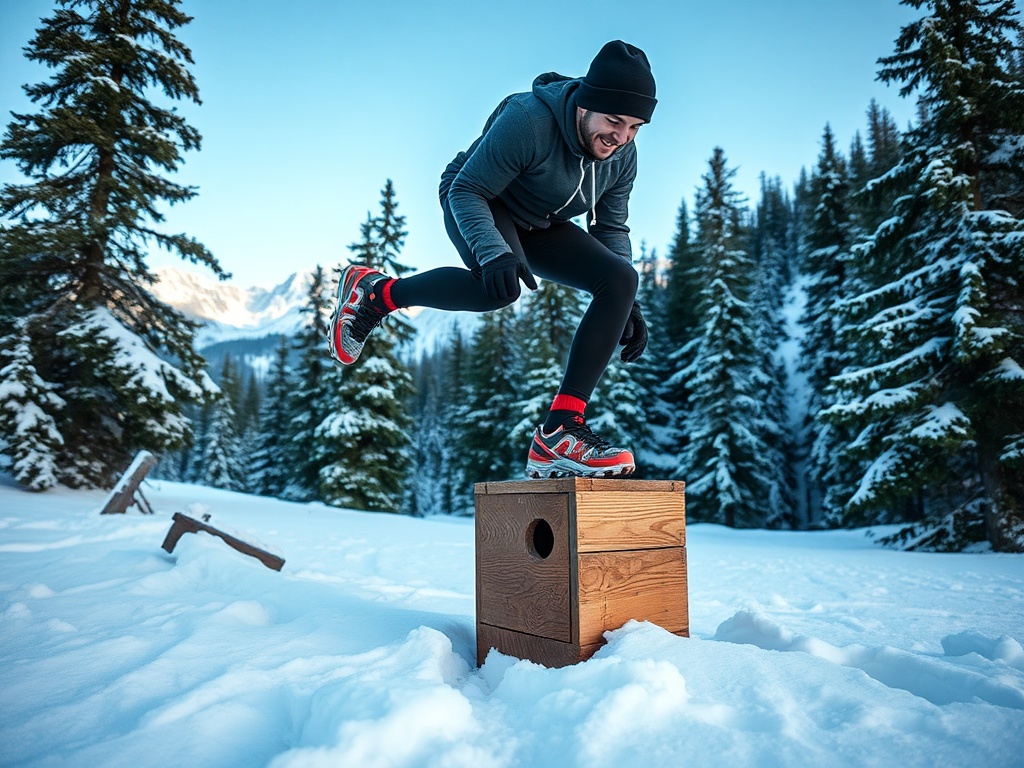
- Weighted step-ups (slow and controlled)
- Isometric calf holds (30–90 seconds)
- Stair climbing with load
- Single-leg balance drills
The goal isn’t just strength—it’s staying locked in on front points without panic.
Core: Anti-Swing Strength
Ice climbing punishes loose movement. If your hips drift away from the wall, everything gets harder instantly.
Train for control, not just abs:
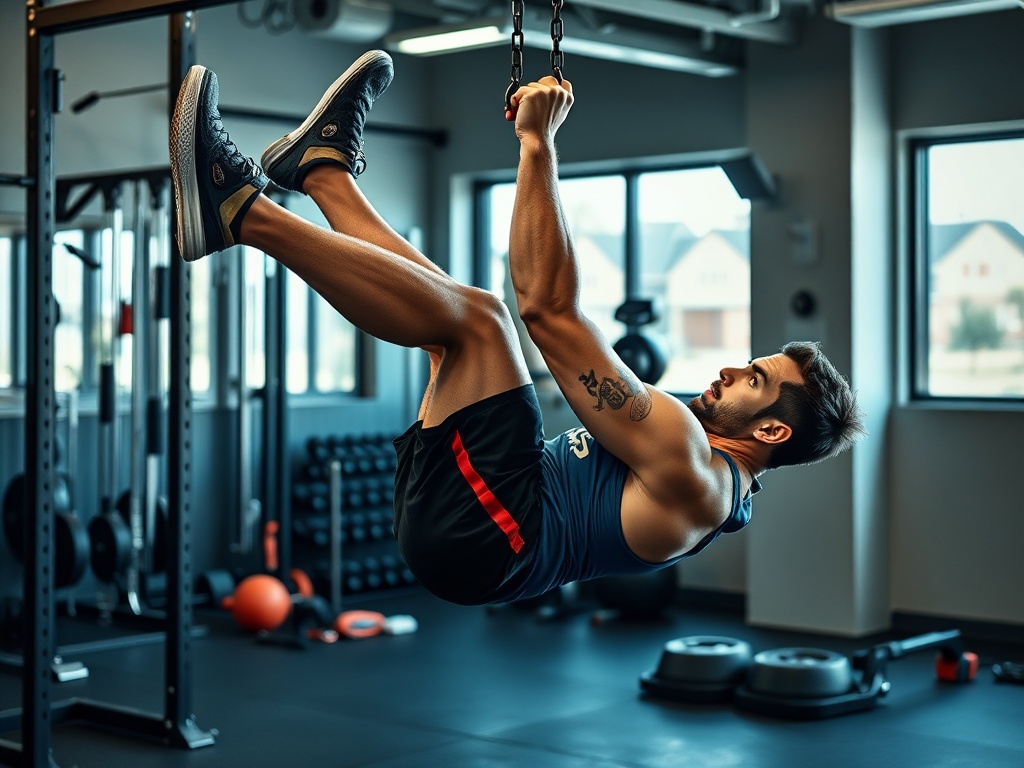
- Hanging leg raises
- Front lever progressions
- Planks with reach
- Slow mountain climbers
You should feel like you can “lock” your body into position at any time.
Endurance Systems That Actually Work
This is where most people fall apart. They train hard—but not long enough.
Try this:
Interval Example
- 40 seconds on (climbing or tool hangs)
- 20 seconds rest
- Repeat for 10–15 minutes
Or go longer with steady-state sessions where you never fully rest.
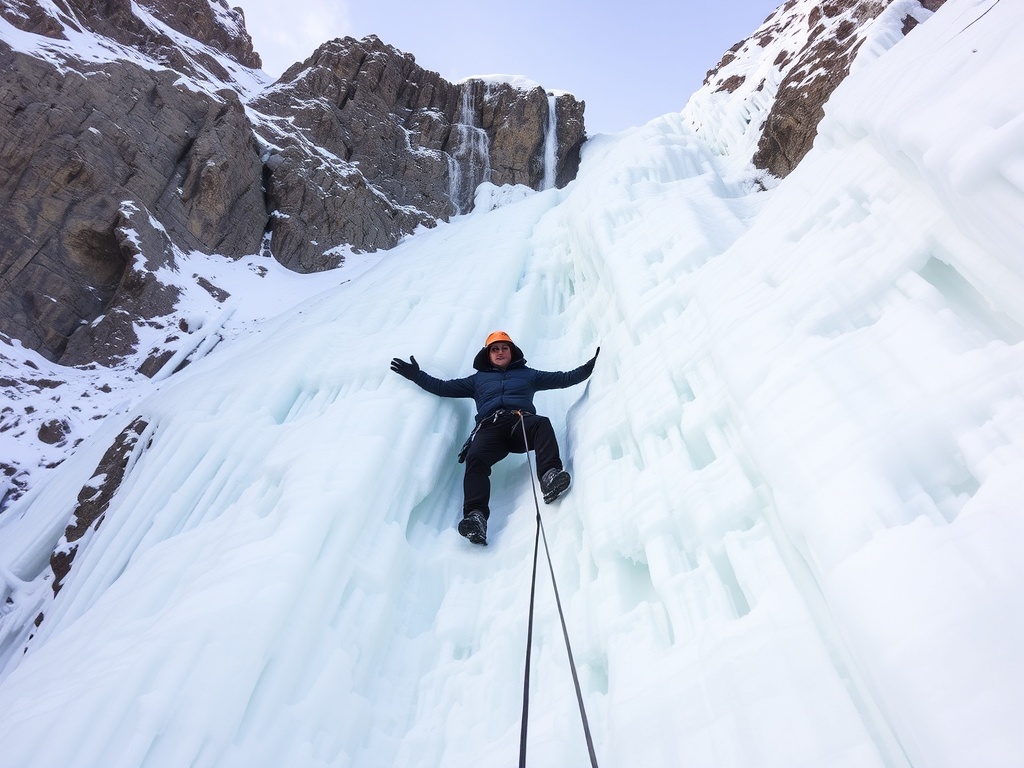
The goal is to simulate that slow, creeping pump you get halfway up a pitch.
Mental Training: Staying Calm When Pumped
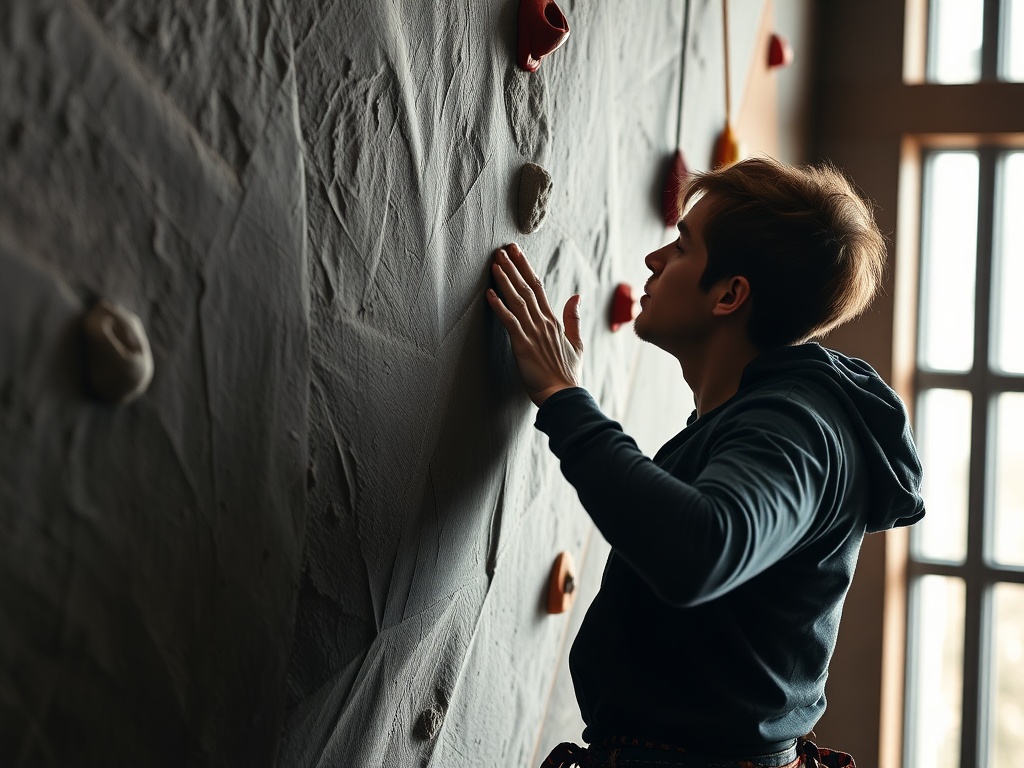
Ice climbing punishes panic. The climbers who improve fastest learn to slow down under stress.
Simple drills:
- Pause mid-effort and breathe deeply
- Practice deliberate, slow movements
- Visualize sequences before executing
This isn’t fluff—it directly affects performance.
Putting It All Together: A Weekly Framework
Here’s a realistic structure that works:
- Day 1: Dry tooling + intervals
- Day 2: Strength (legs + core)
- Day 3: Rest or mobility
- Day 4: Grip endurance + steady-state session
- Day 5: Mixed climbing simulation
- Day 6: Light aerobic work
- Day 7: Full rest
Consistency beats intensity. Train slightly below your limit more often, and you’ll progress faster than burning out.
Final Take
You don’t get better at ice climbing by waiting for winter. You get better by training like it matters when there’s no ice in sight.
The climbers who show up ready in January are the ones who treated the off-season seriously. Not perfectly—but consistently.
If your training feels too easy, it probably is. If it feels specific, uncomfortable, and slightly humbling—you’re on the right track.